Seasonal · 6 min read · January 12, 2026
How to Protect Your Pipes Before the Next Texas Freeze
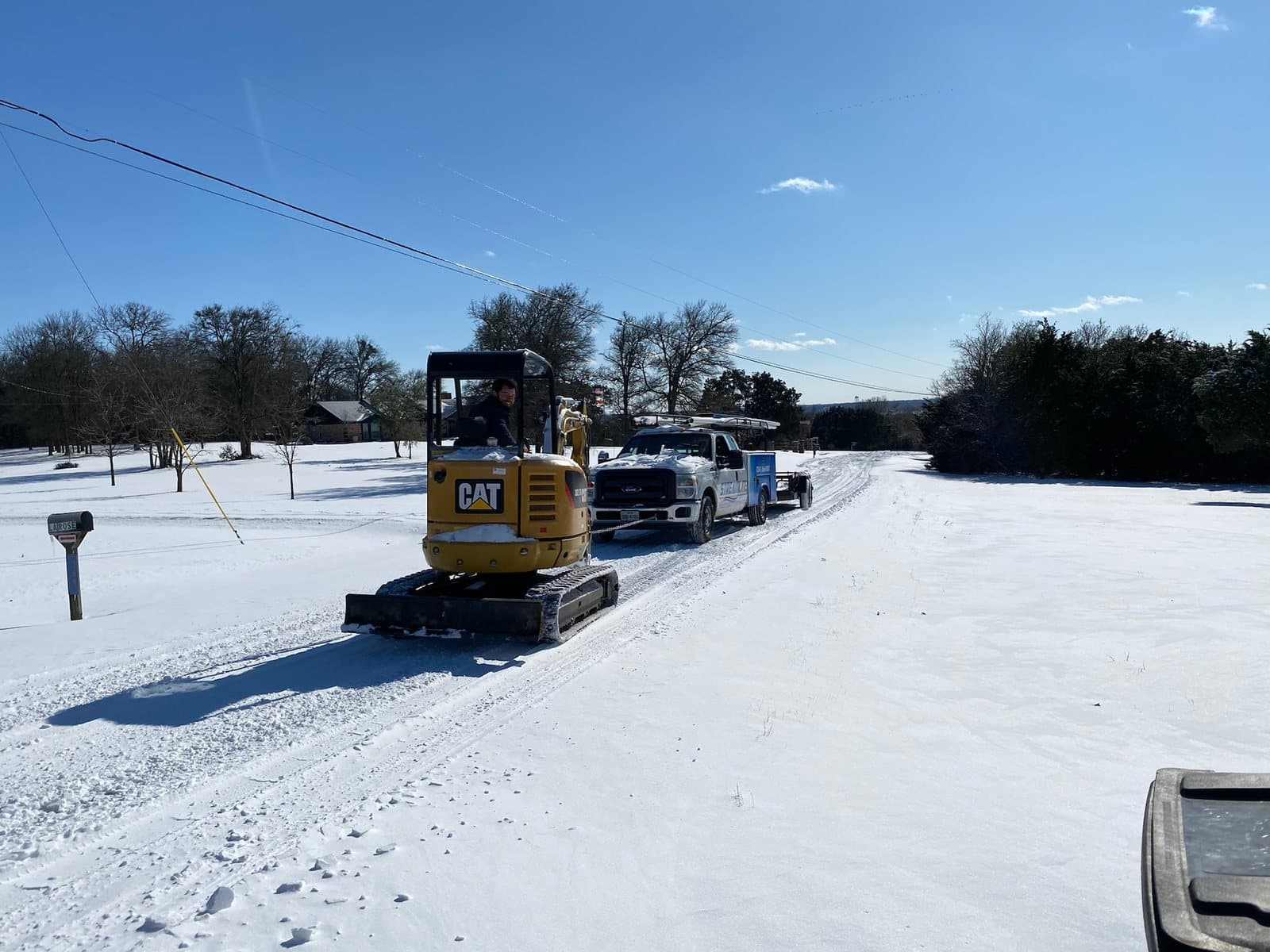
After Winter Storm Uri, our phones rang for three weeks straight. The pattern in the damage was unmistakable: nearly every burst pipe we repaired could have been protected for under $50 and an afternoon's effort. Here's the list we give our own families.
Before the freeze arrives
Disconnect every garden hose — a connected hose traps water in the hose bib, which freezes and splits the pipe inside your wall. Install foam covers on every outdoor faucet; they're a few dollars each. Wrap exposed pipe in unheated spaces (attic, crawl space, garage) with foam sleeves, paying special attention to the pipes serving your water heater if it lives in the garage.
Know where your main shut-off is before you need it. If a pipe bursts at 2 a.m., turning the water off in thirty seconds versus thirty minutes is the difference between a repair and a renovation.
During a hard freeze
Drip both hot and cold sides at the faucets farthest from where water enters your home — moving water resists freezing, and the hot side bursts just as often as the cold. Open cabinet doors under sinks on exterior walls to let room heat reach the pipes. Keep the thermostat at 65°+ even overnight; the savings from setting it lower aren't worth a flooded living room.
If you lose water pressure at one fixture during a freeze, that pipe is likely frozen but not yet burst. Leave the faucet open, gently warm the area if you can reach it (hair dryer, never a torch), and watch for leaks as it thaws — the damage shows up at thaw, not at freeze.
The bigger fixes worth considering
If your home has burst pipes in a previous freeze, that's the system telling you where it's vulnerable. PEX tolerates freeze-thaw far better than copper; strategic reroutes of attic-run lines, or a full repipe in older homes, permanently retire the risk. We're happy to assess your specific risks; the walkthrough is free.